March 30, 2026
The revolution in home accessibility aids has played a pivotal role in helping seniors age in place, retaining independence, and improving quality of life. By adapting their living environments with the help of technology and thoughtful design, many older adults are empowered to stay in their homes safely and comfortably. This article explores various home accessibility aids and how these innovations contribute to aging in place. From ramps and stair lifts to smart home technologies, the array of available solutions is broad and impactful. Understanding these tools and their benefits is crucial for seniors and their families in making informed decisions about aging in place.
Defining Aging in Place
Aging in place refers to the ability of seniors to live in their own homes safely, independently, and comfortably, regardless of age, income, or ability level. This concept aligns with the desires of many older adults, with AARP reporting that 75% of people aged 50 and older would prefer to remain at home as they age. This approach involves home modifications and support systems that accommodate the evolving needs of seniors over time. Unlike moving to an assisted living facility or nursing home, aging in place allows older adults to remain connected to their community and maintain familiar routines. This choice is not just about staying put; it involves making strategic adaptations for safety, health, and comfort.
Independence in Aging
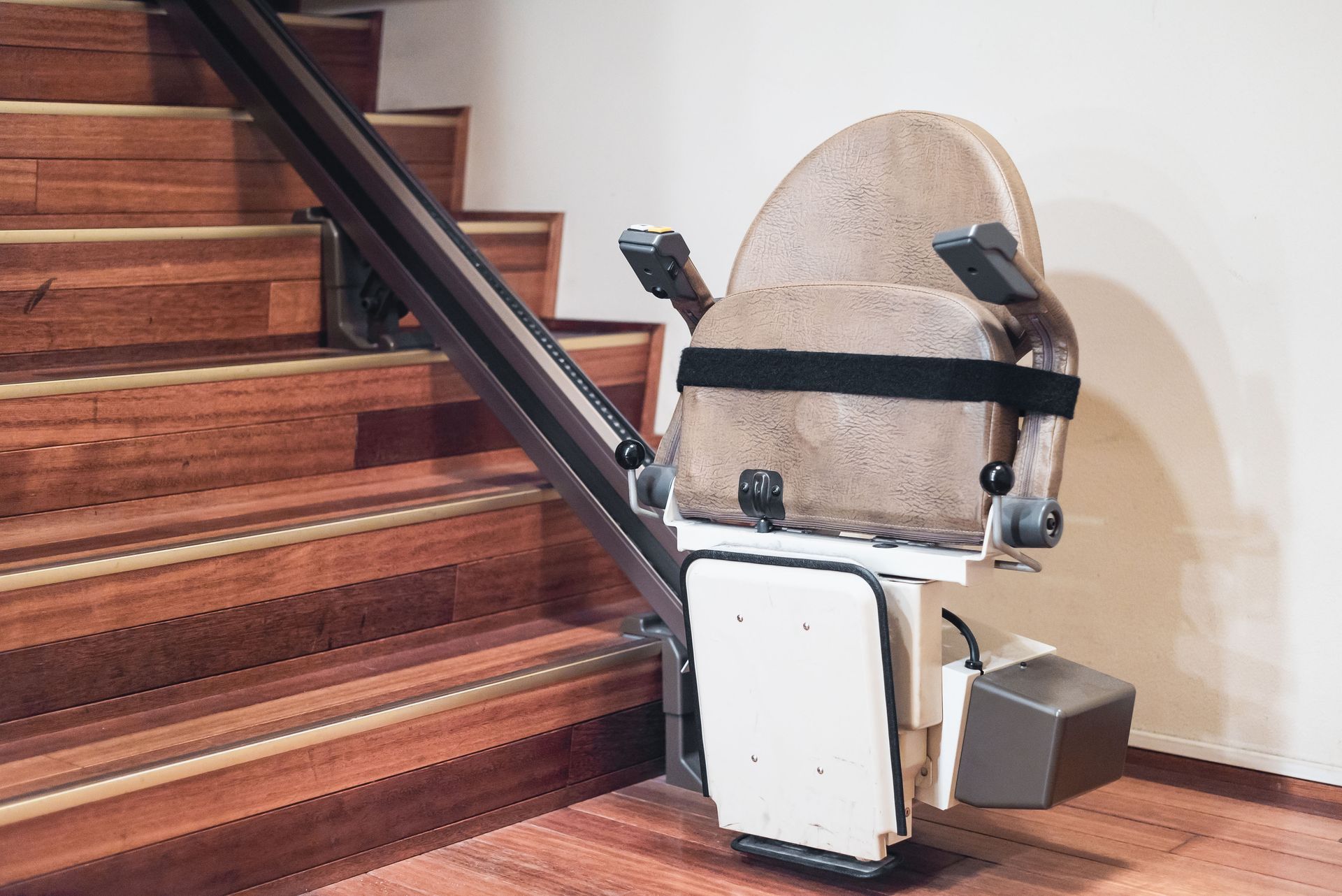
Maintaining independence is a crucial element of aging with dignity, often influencing the decision for seniors to age in place. Independence contributes significantly to seniors' mental and emotional well-being, offering them control over their daily lives and environments. While aging can bring physical challenges, creating an accessible home environment, like with the use of a stair lift, empowers seniors to continue living life on their terms. Independence also fosters a sense of achievement, providing older adults with opportunities to engage in activities they enjoy without unnecessary reliance on others. Ensuring pathways to independence through thoughtful home design and accessibility aids becomes an investment in seniors' overall life satisfaction.
Current Trends and Statistics
The trend towards aging in place continues to grow, supported by advancements in healthcare and technology, as well as shifting cultural attitudes. According to AARP, a significant 75% of adults aged 50 and above express a desire to stay in their homes as they age, reflecting a critical societal shift. This trend is mirrored in the marketplace, with increasing demand for home modification services and products designed explicitly for aging populations. Additionally, governments and organizations are recognizing the benefits of keeping seniors in their homes, leading to increased funding and resources for home accessibility and improvement projects. Data shows that seniors living in familiar environments often enjoy better mental health outcomes and life satisfaction.
Challenges Faced by Seniors at Home
Aging in place is not without its challenges, particularly when it comes to the physical demands of maintaining a home and personal health. Seniors often face obstacles such as mobility issues, chronic health conditions, and sensory impairments that can make daily tasks more difficult. Furthermore, homes not designed for accessibility can pose safety risks, such as stairs without railings, narrow doorways, or slippery floors. Addressing these challenges requires a proactive approach, focusing on modifications and tools that minimize risks and maximize accessibility. Family members and healthcare providers play a critical role in identifying these challenges and implementing suitable solutions to ensure the well-being of older adults living at home.
The Role of Family and Caregivers
Family members and caregivers have a key role in supporting seniors who choose to age in place. They often act as the first line of assistance, helping with everyday tasks and making decisions about home modifications and healthcare. As the primary emotional and physical support system, family members are instrumental in fostering an environment conducive to safe and independent living. This support network becomes even more crucial when considering seniors with cognitive decline or other health-related issues that require continuous supervision. By working collaboratively with healthcare professionals and utilizing community resources, family members can significantly enhance the quality of life for aging loved ones at home.
Ramps and Stair Lifts
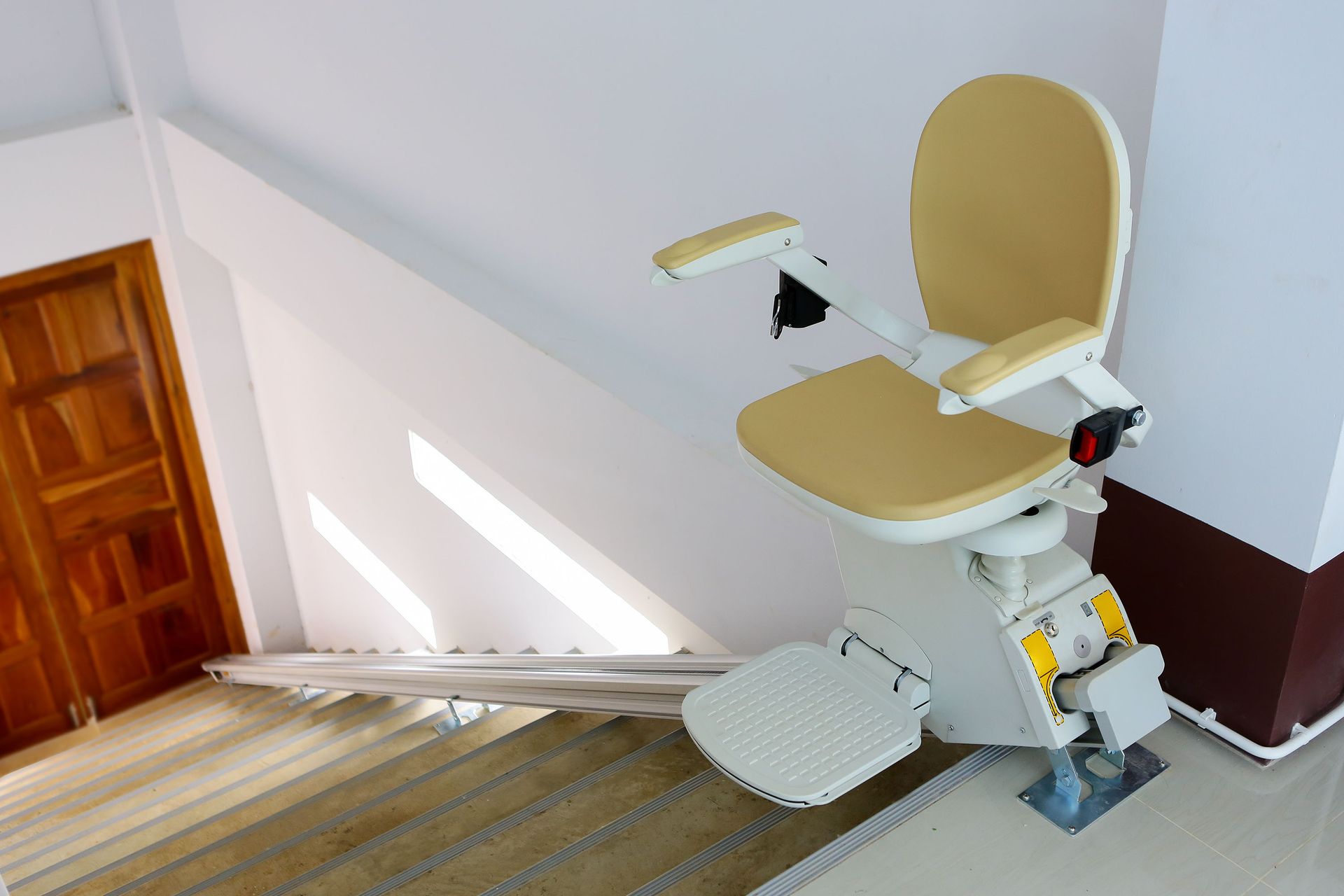
Ramps and stair lifts are fundamental aids for seniors with mobility challenges, providing essential access to different areas of their homes. Ramps facilitate easier entry and exit for those using walkers or wheelchairs, eliminating the physical strain and trip hazards posed by stairs. Stair lifts offer a practical solution for navigating multi-level homes, allowing seniors to use stairs safely without exerting themselves. These devices are particularly beneficial in preventing falls, a common and serious risk for older adults. Installing ramps and stair lifts requires planning and careful assessment of a home's layout to ensure they meet the specific needs and space considerations of the resident.
Bathroom Safety Equipment
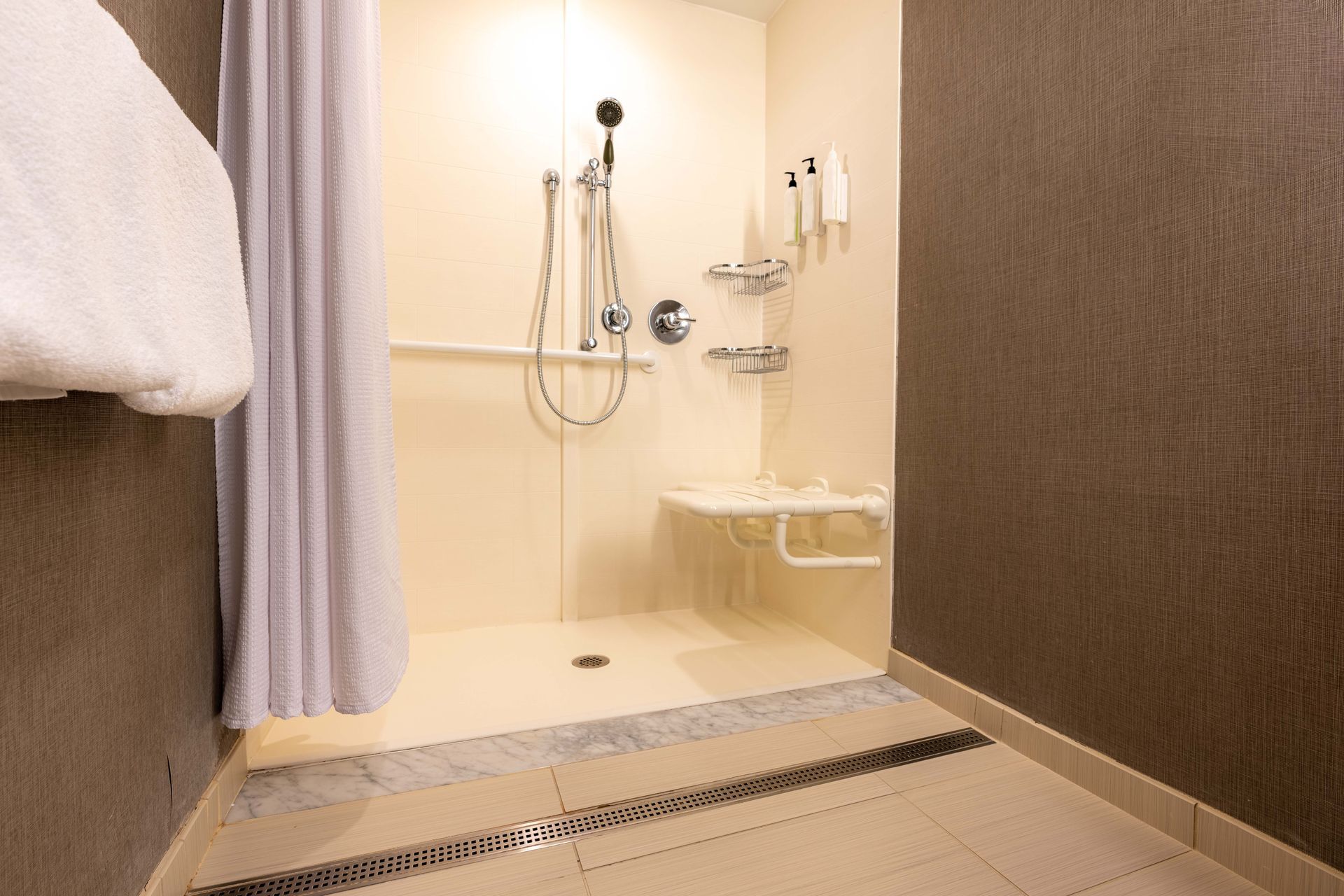
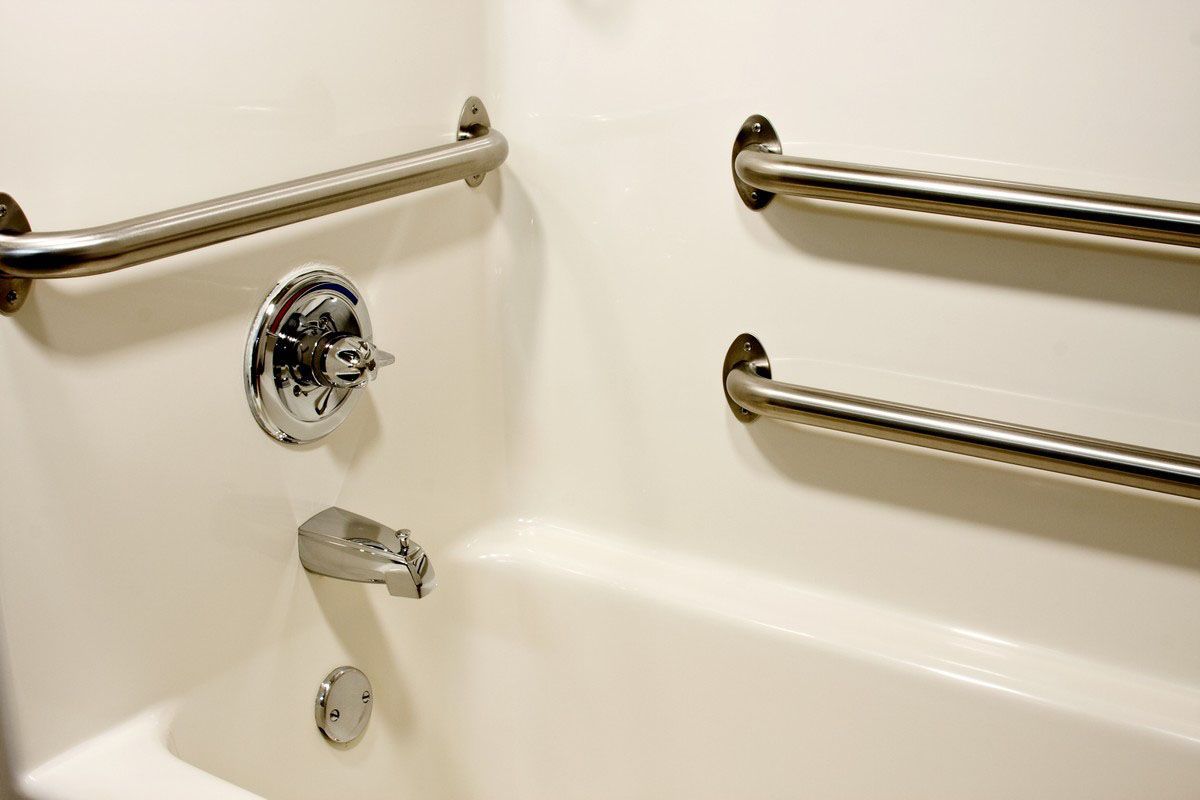
Bathrooms are often cited as one of the most hazardous areas in the home for seniors, due to wet surfaces and constrained spaces. The installation of safety equipment such as grab bars and non-slip mats can drastically reduce the risk of falls and injuries. Shower chairs and raised toilet seats provide additional support, enabling safer and more comfortable use of bathroom facilities. These aids make daily hygiene routines more manageable, preserving a sense of independence and dignity. Integrating these safety measures requires minimal modification, making them a cost-effective solution for significantly enhancing bathroom accessibility and safety for seniors.
Adaptive Lighting Solutions
Proper lighting is essential in preventing accidents and aiding visibility, particularly for seniors with diminished eyesight. Adaptive lighting solutions, such as motion-activated lights and adjustable fixtures, improve safety by ensuring that spaces remain well-lit. Strategic placement of lights in hallways, staircases, and entryways helps reduce the risk of tripping and falling. Dimming options and energy-efficient bulbs offer added flexibility, allowing seniors to tailor the lighting to their specific needs and preferences. Over time, improved lighting not only enhances security but also promotes a more comfortable and accommodating living environment for older adults.
Flooring and Fall Prevention
Flooring plays a critical role in senior home safety, as certain materials can influence fall risk. Non-slip flooring options such as textured vinyl or low-pile carpet help prevent slips and trips. These materials usually require minimal maintenance and provide a stable surface for walking aids. In addition to slip-resistant floors, threshold ramps can eliminate minor height discrepancies between rooms, further reducing hazards. Adjusting flooring is a significant step in creating a senior-friendly home environment, addressing challenges tied to falls, which are the leading cause of injury among older adults.
Smart Home Technology
Smart home technology, like a stair lift, has transformed the way seniors manage their homes, offering convenience, security, and peace of mind. Devices such as smart thermostats, automated lighting, and security systems can be controlled remotely, ensuring a safe and comfortable living environment. Smart home systems can also integrate with wearable health monitors and voice-activated assistants, providing real-time health updates and emergency notifications.
Home accessibility aids are transforming the way seniors experience aging in place—making daily living safer, more comfortable, and more empowering. From mobility solutions and bathroom safety features to smart home technologies and fall-prevention upgrades, these innovations work together to preserve independence and enhance overall well-being. With thoughtful planning and the right tools, seniors can continue enjoying the familiarity and freedom of home while reducing risks and improving quality of life.
If you or a loved one is considering aging in place, explore home accessibility solutions from Accessibility Home Improvements and take the first step toward creating a safer, more supportive living environment for the years ahead.