April 9, 2026
Mobility challenges affect a substantial portion of the population, particularly as individuals age or cope with chronic conditions. Home modifications are essential for creating environments that foster independence, safety, and comfort. By adapting living spaces, people with mobility impairments can perform daily tasks more easily, reducing the risk of falls and injuries. Thoughtful home modifications empower individuals to maintain autonomy, improve quality of life, and enable aging in place. This article explores practical adaptations for homes, emphasizing the crucial role of professional guidance, such as consulting a stair lift contractor, to ensure safe and effective results.
Understanding Mobility Challenges
Mobility issues encompass difficulties in moving freely and safely within one’s environment. These challenges can arise from age-related physiological changes, chronic illnesses like arthritis, neurological conditions, or injuries. Over time, even minor limitations can compound, making routine tasks more cumbersome and heightening fall risk. Recognizing the range of mobility challenges is critical in determining which home modifications are most beneficial. Tailoring adaptations to the individual’s needs ensures that interventions are both functional and supportive.
Additionally, mobility impairments can vary in severity and may require long-term adjustments. Some individuals may need occasional support for specific tasks, while others may depend heavily on mobility aids such as walkers or wheelchairs. Understanding these nuances allows homeowners and professionals to implement solutions that accommodate current needs and anticipate future changes. Consulting with experts, including a stair lift contractor, can help assess appropriate strategies to optimize safety and accessibility throughout the home.
Observing Daily Life Limitations
Mobility issues directly impact daily routines, making basic tasks—like cooking, bathing, and navigating stairs—challenging or unsafe. Home modifications reduce reliance on caregivers and allow residents to maintain independence. For example, repositioning frequently used items within easy reach can prevent unnecessary stretching or bending. Similarly, installing adaptive kitchen appliances, such as lever-style faucets or pull-out shelves, simplifies food preparation for individuals with limited strength or dexterity.
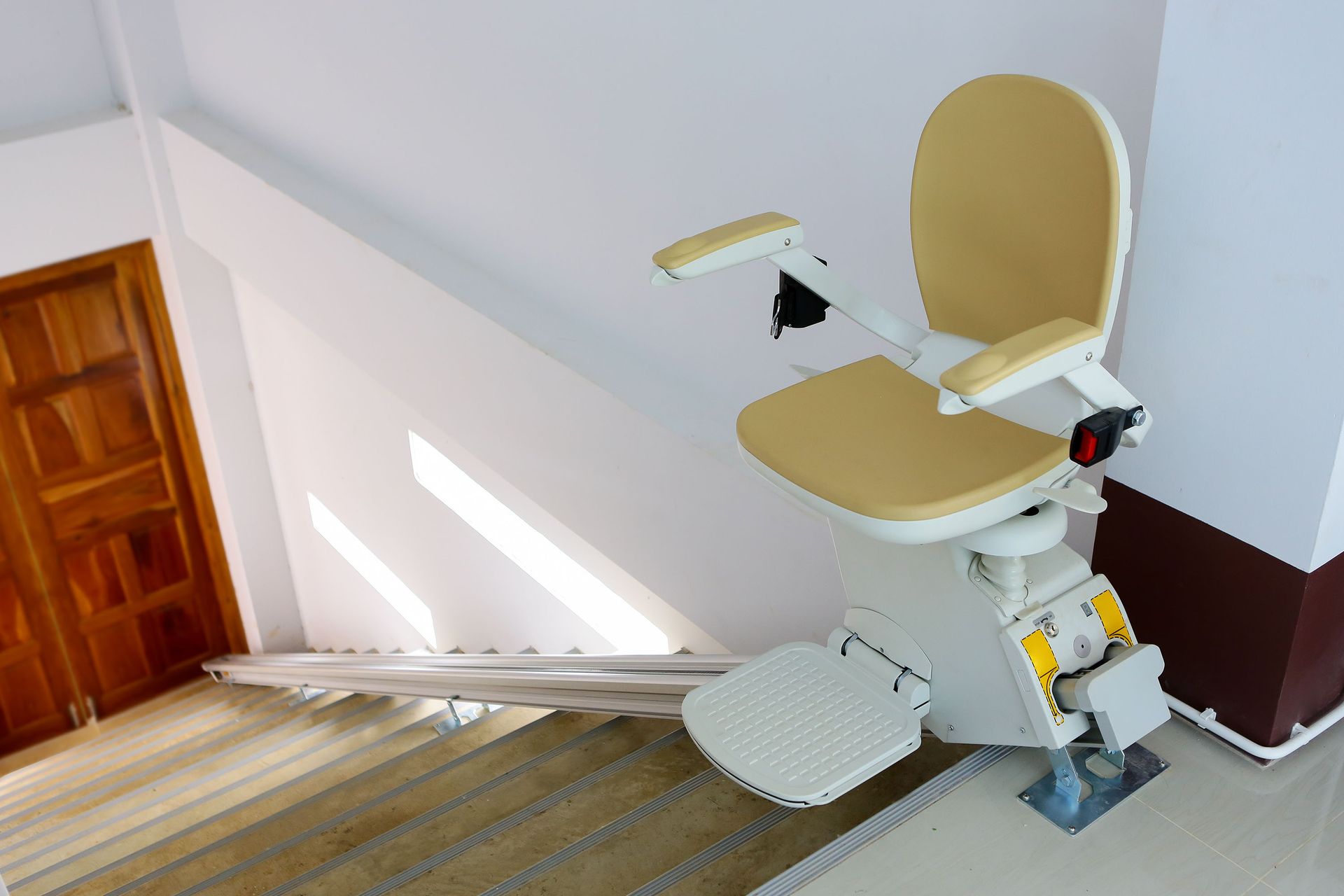
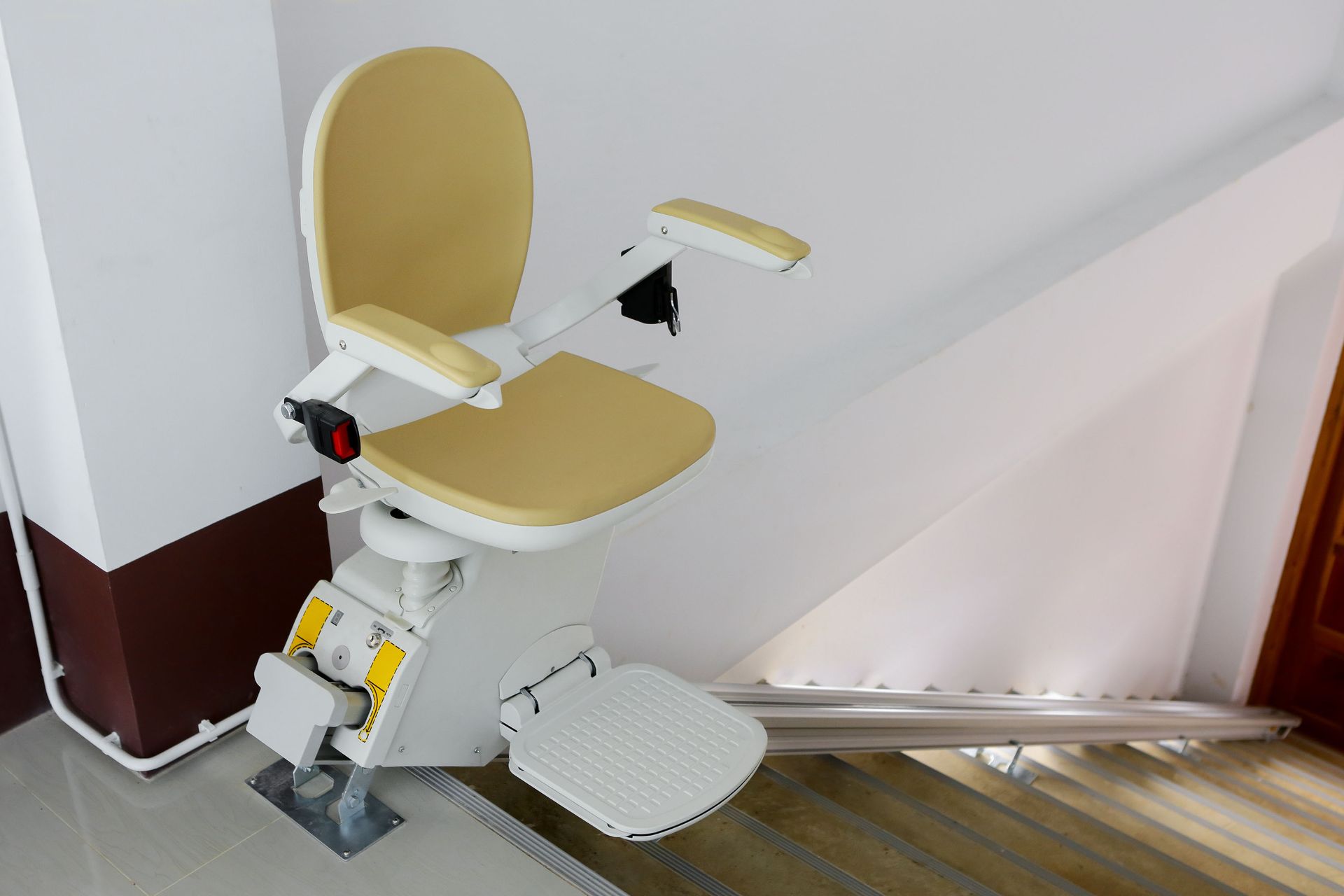
The broader benefit of these modifications is the enhancement of autonomy and self-confidence. Home environments designed for accessibility reduce the mental and physical strain associated with routine activities. By addressing obstacles in daily life, individuals with mobility challenges can continue living safely and independently. Engaging a stair lift contractor when planning modifications for multi-story homes ensures that vertical movement is safe, efficient, and tailored to the user’s specific mobility needs.
Reviewing Statistical Insights
Mobility challenges are increasingly prevalent as the population ages. According to AARP, 43% of older adults are looking to make changes so their home is better equipped to accommodate future physical limitations. This growing demand for accessible housing highlights the importance of proactive planning and intervention. It also underscores the need for professional guidance in implementing modifications that comply with safety standards and provide long-term utility.
Younger individuals with disabilities also require tailored home adaptations, emphasizing that accessibility is relevant across age groups. Data-driven insights assist families, architects, and healthcare professionals in making informed decisions regarding home modifications. Whether considering grab bars, ramps, or stair lifts, integrating expert input, such as that provided by a certified stair lift contractor, ensures modifications meet both functional and safety requirements.
Addressing Psychological and Social Impacts
Mobility impairments affect more than physical movement; they have profound psychological and social consequences. Reduced independence can lead to anxiety, depression, and social isolation. Home modifications that enhance accessibility also promote emotional well-being by providing confidence and reassurance. Environments designed with mobility considerations in mind encourage active participation in daily routines and social interactions.
Social engagement is closely tied to physical accessibility. Residents who can move safely within their home are more likely to host visitors, participate in family activities, and remain connected with their communities. Implementing home adaptations like stair lifts, ramps, and widened doorways helps maintain social integration and mental health. Consulting with a professional stair lift contractor ensures that mobility enhancements are not only safe but also seamlessly integrated into the home environment, supporting social and emotional well-being.
Evaluating Healthcare and Financial Considerations
The economic implications of mobility limitations can be significant. Costs related to falls, injuries, and caregiving can strain households. Proactive home modifications are a cost-effective alternative by preventing accidents and reducing dependence on professional care. Investments in adaptive equipment, such as stair lifts and bathroom safety features, can minimize medical expenses and support long-term independence.
Accessible home environments also extend the ability to age in place, delaying the need for assisted living facilities. These adaptations provide both financial and lifestyle benefits, allowing individuals to maintain control over their living situation. Engaging a stair lift contractor ensures that installations are performed safely, maximizing the longevity and utility of the investment.
Installing Entryway Modifications
Entryways are critical points for mobility and safety. Installing ramps, either permanent or portable, facilitates smooth access for individuals using wheelchairs, scooters, or walkers. Threshold ramps address minor step differences, reducing the risk of trips and falls. Proper ramp design considers slope, materials, and durability to accommodate varied weather conditions and consistent use.
Professional guidance ensures ramps meet safety codes and ergonomic standards. Strategic placement enhances usability and supports independent movement throughout the home. When incorporating stair lifts, consulting a stair lift contractor ensures that transitions between floors remain accessible without compromising safety or efficiency. Well-executed entryway modifications create an immediate impact on mobility and overall home accessibility.
Adding Automatic Door Openers
Automatic door openers simplify access by eliminating the need to manually operate doors, which can be difficult for individuals with limited strength or dexterity. These devices integrate with smart home systems, providing both convenience and enhanced security. They are particularly valuable for entryways leading to outdoor spaces, garages, or high-traffic rooms.
Automatic doors also reduce strain during emergencies, allowing residents to navigate safely without assistance. When combined with other adaptive strategies, such as stair lifts, automatic doors contribute to a comprehensive approach to accessibility. Engaging a stair lift contractor during home assessments ensures these systems are coordinated with vertical mobility solutions for maximum effectiveness.
Widening Doorways for Accessibility
Standard doorways often impede wheelchair and mobility aid navigation. Widening door frames ensures smooth passage, reducing accidents and frustration. Modifications should be structurally sound while maintaining aesthetic integrity. Expanding entry points allows for safer and more comfortable movement, benefiting all residents and visitors.
Doorway widening complements other accessibility measures, such as ramps, handrails, and stair lifts. Professional consultation ensures structural integrity and compliance with safety standards. Hiring a stair lift contractor when designing multi-floor accessibility ensures that door placements and stair lift operations do not conflict, preserving both mobility and convenience.
Installing Handrails and Grab Bars
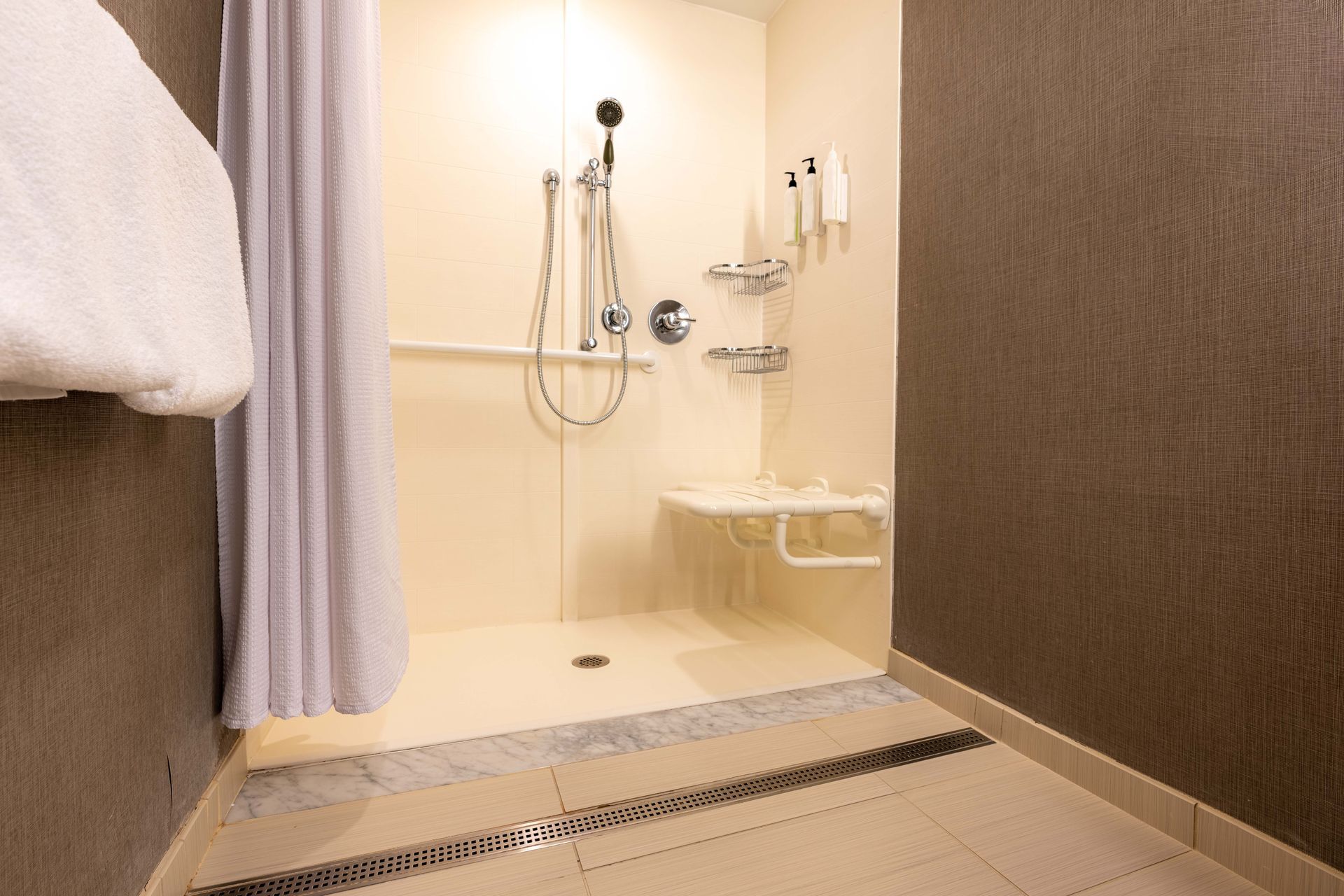
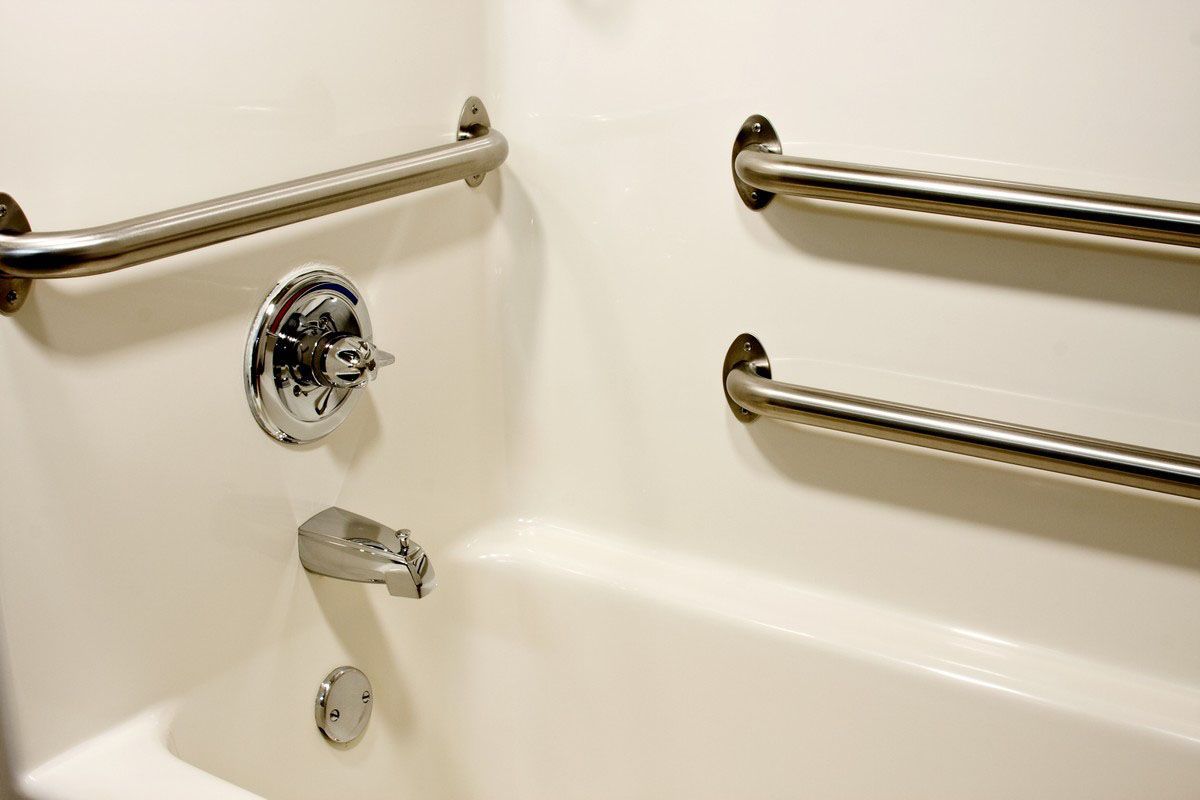
Handrails and grab bars provide critical support for navigating stairs, bathrooms, and other areas prone to slips. Materials should be durable, non-slip, and visually compatible with the home’s design. Proper placement is essential for safety and functional use, accommodating various heights and mobility requirements.
In addition to preventing falls, these supports empower users to maintain independence during daily routines. By combining handrails, grab bars, and stair lifts, homes become safer and more navigable. Professional input ensures these aids are positioned for optimal utility without obstructing other mobility devices, such as wheelchairs or walkers.
Home modifications are vital tools for enhancing independence, safety, and quality of life for people with mobility challenges. By incorporating ramps, stair lifts, grab bars, non-slip surfaces, and accessible bathrooms, residents can navigate their homes with confidence and ease. Professional guidance, including the expertise of a stair lift contractor, ensures that these adaptations are safe, durable, and tailored to individual needs.
As the population ages and mobility needs evolve, thoughtful planning and proactive modifications become increasingly important. Engaging experts, considering long-term requirements, and implementing comprehensive accessibility solutions empower residents to maintain autonomy, reduce reliance on caregivers, and improve overall well-being. Investing in home modifications is an investment in safety, dignity, and continued independence for those with mobility challenges. If you're seeking a professional stair lift contractor in St. Charles County, MO, contact Accessibility Home Improvements today to request a quote.